
Why the Talk Around Affordable E-Bikes is Heating Up


Fuel prices across India continue to rise, pinching the pockets of daily commuters and gig
workers alike. Whether you're a delivery partner riding through city traffic or a college
student budgeting every rupee, the cost of getting around is becoming unsustainable. This
has sparked nationwide interest in alternative transport options, and the most promising
among them? The affordable e-bike that Indian riders can rely on.
An affordable e-bike is more than just a gadget with pedals and a battery. It represents a
shift in how India thinks about mobility, not as a luxury for the few, but a necessity for the
many. As electric bicycle solutions in India gain popularity, we're seeing an important focus
on practicality: long-range batteries, weather-proof builds, and designs that can handle
rough Indian roads.
This guide explores everything you need to know about affordable e-bike options – who
needs them, what to look for, how much they cost, and why they matter. With growing
emphasis on inclusive mobility, the future of Indian roads isn’t just electric – it’s affordable,
efficient, and made for everyone. Whether you're searching for your first Indian e-bike
model or considering switching from petrol to electric, we’ll help you ride smarter.
We’re not just talking about futuristic machines with app integrations and fancy screens.
We're talking real-world, everyday electric bicycles that get you from A to B without
breaking your budget. Because affordable mobility isn’t optional anymore – it’s urgent.
Who Needs Affordable E-Bikes in India the Most?

If you think electric bikes are only for hobbyists or tech lovers, think again. In India,
affordable e-bikes are rapidly becoming essential tools for everyday life – especially for
those who’ve long been underserved by mainstream transport options.
Let’s start with students and working professionals.
Many of them depend on public transport, shared autos, or two-wheelers to get through
congested urban routes. But with inconsistent bus schedules and soaring fuel prices, the
appeal of an electric bicycle model in India that costs little to run is clear. A lightweight,
easy-to-charge affordable e-bike could mean more time in class or at work, and less time
waiting on the side of the road.
The gig economy.
Delivery partners, especially those riding 60–100 km a day, are often stuck with high fuel
bills, long hours, and vehicle maintenance headaches. In India, an EV bike conversion
solution or purpose-built e-bike offers them better margins, more deliveries per day, and
less fatigue. HOOKDaily is one example of a model designed with their needs in mind.
People in Tier 2 and Tier 3 cities.
Where public transport networks are patchy – are embracing e-bikes as daily rides. Here,
the combination of low maintenance and reliable battery range makes e-bikes not justaffordable but transformative. And it’s not just gig workers, everyday cyclists in India are looking for a reliable e-bike model in India that works as hard as they do.
In short, current offerings often exclude the very people who need them most. While flashy
imported models exist, inclusive mobility means designing for real riders – workers,
students, dreamers – not just early adopters with deep pockets.
The Current Landscape of Electric Bicycles in India

The electric bicycle market is buzzing with promise. From state-backed EV incentives to
rising climate awareness, the country is waking up to the idea that mobility doesn’t have to
burn fossil fuels. You’ll find everything from luxury e-cycles to rugged delivery e-bikes in the mix – but despite the momentum, most options are still priced out of reach for the average Indian.
Imported models often start north of ₹50,000 and can go well past ₹100,000. With advanced GPS features, app integration, and imported components, these electric bicycles feel premium – but they’re also impractical for students, gig workers, and rural commuters who need affordable e-bike solutions. The mass market isn’t asking for bells and whistles. They’re asking for something simple, durable, and cost-effective.
Government programs like FAME and state-level subsidies are trying to push EV adoption,
but a big gap remains between policy and access. Even the best incentives don’t solve the
affordability issue unless they reach lower-income riders. That’s where retrofit e-bike kits
and bicycle conversion kits come in – offering a grassroots answer to a national problem.
At its core, the Indian e-bike movement needs to champion inclusive mobility. Whether
you’re in Mumbai or a Tier 3 town, the right to move affordably, safely, and sustainably should be universal. And right now, that means designing and pricing electric bicycle
solutions that actually meet the needs of everyday riders.
This is where HOOK and other India-based electric bicycle innovators come in – bridging
the gap between aspiration and access.
The Real Cost of Mobility: Why E-Bikes Save You More Than Money

Owning a petrol scooter in India isn’t cheap anymore. With monthly fuel bills often hitting
₹4,000 to ₹5,000 – and rising – many commuters are looking for ways to escape the burn.
That’s where an affordable e-bike starts to shine. Charging an electric bicycle costs just
₹10–₹15 per full charge. Compare that to your regular fuel spend, and the savings stack up
fast.
In fact, riders who switch to e-bikes in India can save up to ₹60,000 annually – not just from fuel, but also from reduced maintenance. No oil changes. No spark plug replacements. Fewer mechanical failures. Most electric bicycle models in India have fewer moving parts, which means fewer things can go wrong. That’s true whether you use a retrofitted HOOK kit or a factory-built affordable e-bike.
The real win, however, goes beyond money. E-bikes give riders back time and energy.
Delivery partners complete more orders without burnout. Students get to class faster. And
gig workers no longer have to choose between transport costs and daily essentials. When
you add it up, e-bikes offer something deeper: autonomy.
That’s why this shift isn’t just a consumer trend–it’s a step toward inclusive mobility. We’re
not just electrifying vehicles; we’re empowering lives. Retrofit e-bike kits and bicycle
conversion kits make that empowerment even more accessible, letting riders transform thebicycles they already own into efficient machines of movement. In a country where mobility often defines opportunity, that kind of access is priceless.
Electric bicycle adoption in India is about dignity, freedom, and daily impact – not bells and whistles.
What Price Brackets Exist for E-Bikes in India?

Let’s talk numbers. The e-bike market in India spans a wide range of price brackets, each
offering different levels of performance, range, and durability. Understanding these tiers
helps you make smarter, budget-conscious decisions – especially if you're looking for an
affordable e-bike that doesn’t compromise on quality.
Entry-level e-bikes (₹20,000–₹30,000): These models are often bare-boned but efficient.
Expect a basic frame, a modest motor (250W–350W), and a range of 20–40 km. They’re ideal for short commutes, college campuses, or riders in smaller towns. Some retrofit e-bike kits also fall in this category, turning standard bicycles into light e-commuters.
Mid-tier e-bikes (₹30,000–₹50,000): This is the sweet spot for most Indian users. You’ll find stronger batteries, better suspensions, and more refined design here. Some models offer range capabilities of 60–100 km and are built for real-world conditions. Whether you’re a gig worker or a city commuter, this bracket offers the best balance of affordability and performance.
Premium e-bikes (₹50,000+): These are feature-rich but less practical for the masses. Built-in GPS, advanced apps, and imported parts add cost – and complexity. These are often hobbyist purchases, not workhorses.
The real mobility revolution won’t come from premium products. It’ll come from democratising transport, and that’s where bicycle conversion kits and retrofit solutions like HOOK lead the charge. They lower the entry barrier, foster inclusive mobility, and bring electric freedom to the very riders who need it most.
What Makes an E-Bike Practical for Indian Roads?

Indian roads are a unique beast – charming in their chaos, unpredictable in their terrain,
and unforgiving on anything built too delicately. That’s why an affordable e-bike designed
for this country can’t just be electric – it needs to be rugged, smart, and streetwise.
Let’s start with the frame. A good electric bicycle model in India should have a reinforced
chassis that doesn’t crack under potholes or speed bumps. Lightweight aluminium is
common, but steel frames often offer better shock absorption – critical for uneven rural
paths or metro construction zones.
Then there’s the matter of tyres. Standard cycle tyres just don’t cut it for daily Indian
commutes. Puncture-resistant or thicker treads are a must. And don’t overlook suspension – even a basic front suspension makes a difference for delivery workers or students navigating rocky shortcuts or flyovers.
Battery range is perhaps the most overlooked spec. Gig riders especially need 60–100 km
per charge, minimum. Some retrofit e-bike kits now include swappable batteries, so you’re
not stuck waiting for a full charge mid-shift. This is essential if you're riding 8–10 hours a
day.
Weatherproofing, too, is critical. We’re talking monsoons, dust storms, scorching sun – not
California coastlines. A reliable bicycle conversion kit or entry-level e-bike must endure it
all. Water resistance, dust seals, and rust-proof components are key.
In short: the best e-bike models in India are made not just for roads, but for real riders. And
when done right, they turn daily survival into something that feels just a bit more like
freedom.
How Affordable E-Bikes Empower the Gig Economy

The gig economy in India is booming – but so is burnout. Delivery partners and freelancers
often cover 80 to 120 km per day, zigzagging through cities to meet customer expectations. For them, an affordable e-bike isn’t a cool tech toy – it’s a daily workhorse.
Take fuel savings, for example. Petrol scooters might cost ₹4,000–₹5,000/month in fuel
alone. A fully charged electric bicycle in India, on the other hand, might cost ₹15 per day to
run. That’s a game-changer. More money in hand, fewer hours at the petrol pump, and no
price hike anxiety.
But the benefits go beyond cost. E-bike riders in India often report feeling less tired at the
end of a shift. Why? Because pedal assist and throttle modes reduce physical fatigue and
that makes a difference when you’re on your seventh order of the day in 40-degree heat.
Brands like HOOKDaily are stepping up to the challenge. Their retrofit e-bike kits are
engineered specifically for delivery workers, with swappable batteries, higher payload
capacity, and durable motors that won’t quit mid-ride. This is inclusive mobility in action –
solutions built for riders who are too often left out of mainstream innovation. HOOKDaily is
helping define what affordable e-bike solutions in India should look like: tough, tested, and
tailored to local needs.
As gig work becomes the new normal, electrifying this segment will be key to sustainable
urban economies. It boosts earnings, preserves energy, and gives riders a sense of control
over their workday. Not to mention, it’s cleaner, quieter, and a little bit kinder to the cities
we call home.
Why This Shift Matters for India’s Future
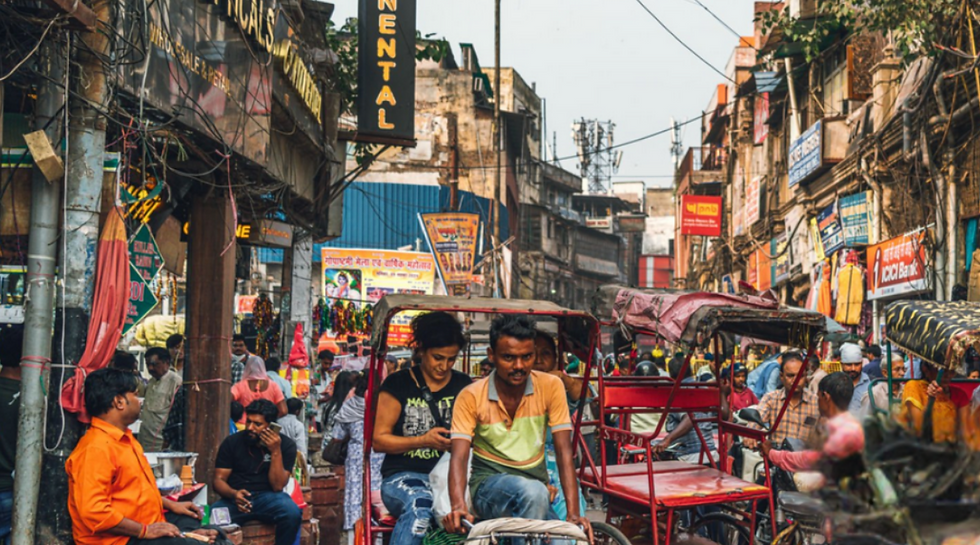
The move toward affordable e-bikes is more than a tech trend, it’s a shift in how we think
about mobility, opportunity, and sustainability in India. Every time someone switches from a petrol scooter to an electric bicycle in India, it’s a small but powerful act of progress.
Environmentally, the benefits are immediate. E-bikes cut down carbon emissions, reduce
noise pollution, and ease congestion, especially in overcrowded urban zones. Unlike cars,
they take up less space and don’t clog roads. They help clean the air we breathe, one ride at a time.
At a national level, mass EV bike conversion in India can help reduce the country’s
dependency on imported fuels. That’s not just good economics, it’s good geopolitics. And
with the right policies, it also creates space for domestic innovation. Brands like HOOK areproving that bicycle conversion kits and retrofit e-bike kits can be designed in India, for
India – with real riders, not just VC pitches, in mind.
Mass adoption of e-bike models in India could be a tipping point for both environmental
sustainability and social equity.
But perhaps the biggest reason this shift matters is social. The right to move — affordably,
safely, and freely – shouldn’t be a privilege. Inclusive mobility gives students a shot at
attending college on time. It lets delivery riders triple their income without burnout. It helps
the elderly make it to the market without relying on someone else.
If the future is electric, let’s make sure it’s equitable too.
Affordable E-Bikes Are Not a Luxury – They're a Necessity

In the grand scheme of India’s transportation story, the humble affordable e-bike might be
one of the most transformative characters. It doesn’t boast of speed records or flashy
dashboards. It doesn’t ask for fancy roads or elite buyers. It simply works — and works hard.
For millions of Indians, especially in Tier 2 and 3 cities, a ₹25,000–₹40,000 e-bike isn’t a
gadget – it’s a way to save, to earn, and to move. It’s the bridge between home and hospital,between college and coaching class, between gig shift and groceries. In short, it’s the backbone of inclusive mobility.
As India’s EV sector grows, we urge both private brands and public policymakers to focus
less on aspirational e-bikes and more on accessible ones. The real win isn’t getting 10,000
luxury EVs on the road – it’s helping 10 million riders electrify their lives without taking a
loan.
That’s where solutions like HOOK and HOOKDaily offer practical, India-ready electric
bicycle models built for impact, not luxury.
So whether you're a student, a delivery partner, or someone simply looking for smarter
transport, know this: the electric future is here, and it has pedals.
The electric future isn’t just coming—it’s already here. Whether you ride a HOOK retrofit or
a new affordable e-bike model in India, you're part of the movement.
All that’s left is to ride.


Comments